
August 5, 2026
Fasting for Blood Tests: What Patients Need to Know
Learn essential tips for fasting for blood tests. Discover how to prepare correctly and improve the accuracy of your results.
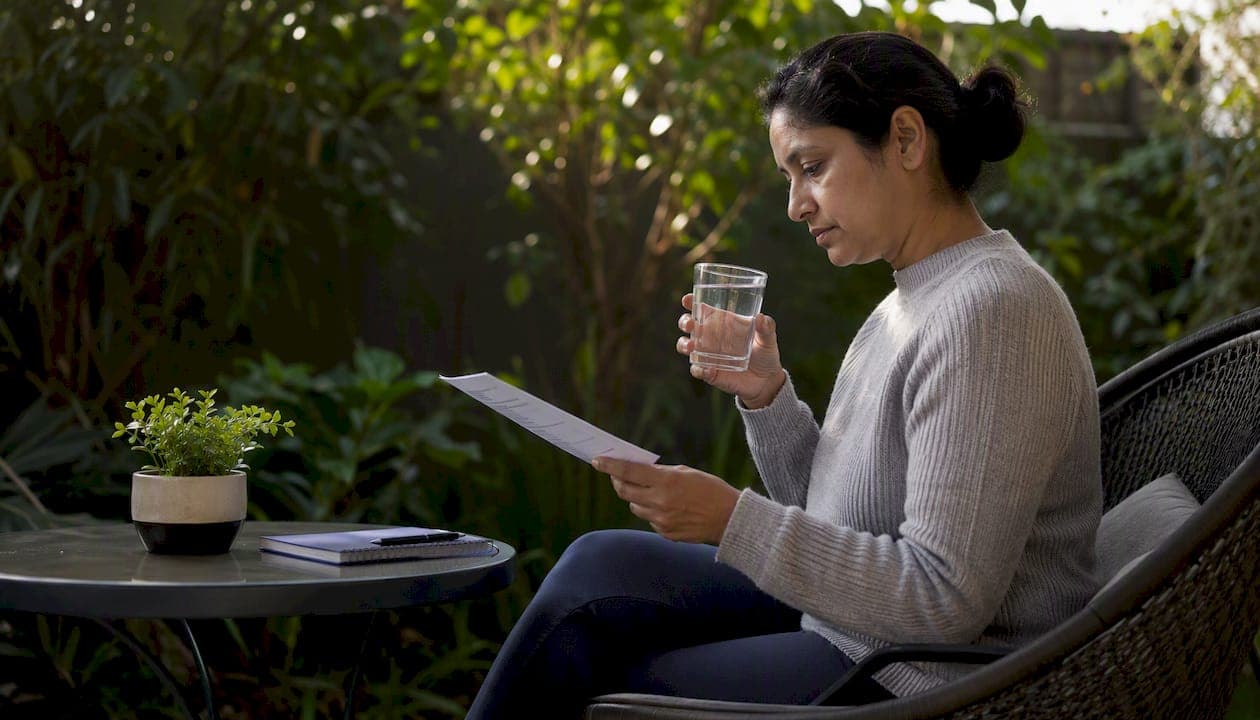
If your provider orders a fasting blood test, stop eating and drinking everything except plain water for the time they specify — usually 8–12 hours. That single rule covers the vast majority of situations. The tests most sensitive to recent food are fasting blood glucose and lipid panels, particularly triglycerides, because nutrients absorbed into your bloodstream after a meal can directly skew those readings.
Quick reference before your draw:
- Do: Drink plain water freely — it keeps veins accessible
- Do: Take your regular prescription medications with small sips of water unless told otherwise
- Don’t: Eat anything, including gum, breath mints, or candy
- Don’t: Drink coffee, juice, soda, flavored water, or alcohol
- Don’t: Smoke or do strenuous exercise during the fasting window
Table of Contents
- How long do you need to fast before a blood test?
- Which blood tests require fasting, and which don’t?
- What can you drink or eat during a fast?
- Medications, diabetes, and who should not fast without guidance
- Night-before and day-of checklist
- What to do if you accidentally ate or drank before your draw
- Why does fasting actually change your blood test results?
- Key Takeaways
- A note on following the rules vs. understanding them
- Convenient fasting blood draws with Eivdiagnostics
- Useful sources
- FAQ
How long do you need to fast before a blood test?
Most fasting instructions call for 8–12 hours without food or caloric drinks. For a standard fasting glucose test, 8 hours is typically sufficient. Triglycerides, however, stay elevated longer after a meal, so lipid panel fasting usually runs 10–12 hours to avoid a falsely high reading.
The simplest strategy: schedule an early-morning appointment so most of your fast happens while you sleep. If your draw is at 8:00 a.m., finish your last meal by 8:00 p.m. the night before. Cleveland Clinic guidance reinforces this approach — overnight fasting reduces the chance of accidentally breaking the fast and makes the whole process easier.
| Appointment time | Stop eating by | Minimum fast |
|---|---|---|
| 7:00 a.m. | Prior evening | A typical overnight fast |
| 8:00 a.m. | Prior evening | A typical overnight fast |
| 9:00 a.m. | Prior evening | A typical overnight fast |
| 10:00 a.m. | Prior evening | A typical overnight fast |
| 12:00 p.m. | Midnight | A typical overnight fast |
Some labs request shorter fasts for specific tests, and a growing number of clinical protocols now accept nonfasting lipid panels. The only reliable source for your exact window is the order your provider gave you — or a quick call to the lab.
Which blood tests require fasting, and which don’t?
Not every blood draw needs an empty stomach. Harvard Health puts it plainly: glucose tests and lipid panels are the main ones that require fasting; kidney, liver, thyroid, and complete blood count (CBC) tests typically do not.

| Test | Fasting usually required? | Why |
|---|---|---|
| Fasting blood glucose | Yes | Food raises blood sugar directly |
| Lipid panel (triglycerides) | Yes (10–12 hours) | Dietary fat elevates triglycerides for hours |
| Lipid panel (total cholesterol, HDL) | Often no | Less affected by recent meals |
| CBC (complete blood count) | No | Cell counts are not food-sensitive |
| Thyroid panel (TSH, T3, T4) | No | Thyroid hormones are stable |
| Comprehensive metabolic panel (CMP) | Sometimes | Depends on what the provider ordered |
| Kidney/liver function | Usually no | Exceptions exist; confirm with provider |
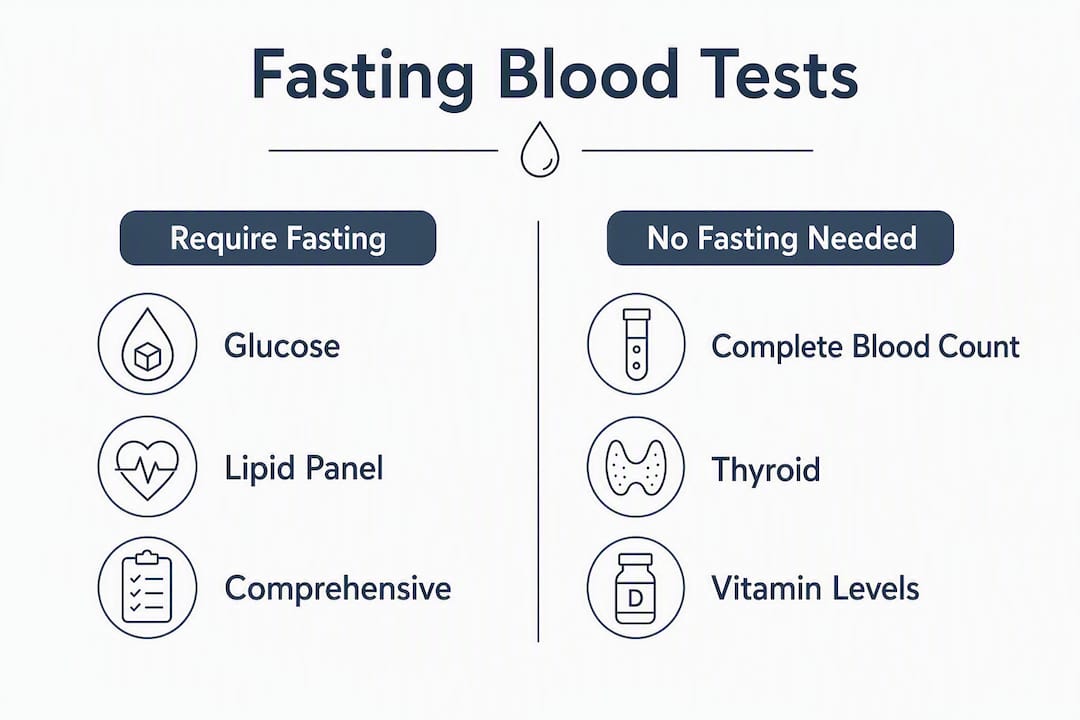
The comprehensive metabolic panel is worth flagging. It includes a glucose component, so some providers order it with fasting instructions even though the other markers don’t require it. If you’re unsure whether your CMP test needs fasting, ask before the appointment — not after you’ve already eaten.
What can you drink or eat during a fast?
Plain water is always allowed, and you should drink it. Hydration makes your veins easier to access, which means a faster, smoother draw for everyone. Beyond that, the list of permitted items gets short quickly.
Avoid all of the following:
- Coffee and tea (even black — both can affect insulin and cortisol levels)
- Juice, soda, sports drinks, and flavored or sweetened water
- Alcohol (avoid for at least 24 hours before a lipid panel)
- Gum, breath mints, hard candy
- Cigarettes and vaping products
Pro Tip: If you’re tempted by black coffee, skip it. Even without sugar or cream, coffee triggers a metabolic response that can nudge glucose and certain lipid markers — not enough to matter for every test, but enough to invalidate a fasting glucose or triglyceride result.
Strenuous exercise also belongs on the avoid list. A hard morning workout before your draw can concentrate certain analytes and raise creatine kinase, which may confuse results. A short walk to the lab is fine; a 45-minute run is not.
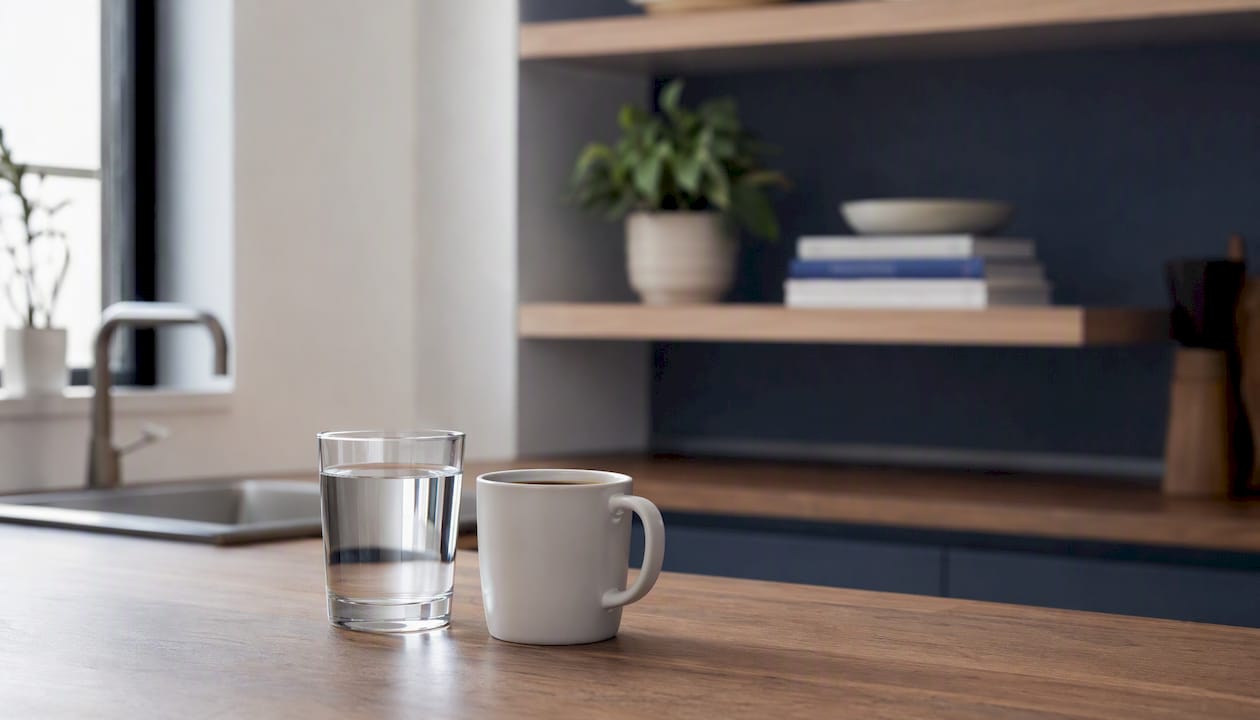
The night before matters too, especially for lipid panels. Heavy, high-fat meals and alcohol in the 24 hours before a triglyceride test can push results higher than your baseline. A normal dinner is fine; a late-night cheeseburger and a few drinks is not.
Medications, diabetes, and who should not fast without guidance
The general rule on medications: keep taking them. MedlinePlus advises that you should continue regular prescription drugs with small sips of water unless your provider explicitly tells you to hold them. Never stop a medication on your own just because you’re fasting for a blood test.
Diabetes is the main exception that needs individual attention. Fasting while on insulin or certain oral diabetes medications can cause blood sugar to drop to unsafe levels. If you have diabetes, contact your clinician before the test to get specific instructions — they may adjust your medication timing, schedule the draw at a different time of day, or order a nonfasting alternative.
Other groups who should confirm with their provider before fasting:
- Pregnant patients
- Children and adolescents
- Older adults with frailty or low body weight
- Anyone with a history of hypoglycemia or eating disorders
If fasting feels unsafe on the day of your draw, call the lab or your provider before you go. Rescheduling is always the right call over risking your health.
Night-before and day-of checklist
The night before:
- Eat a normal, moderate dinner — avoid heavy, fatty foods if you’re testing triglycerides
- Skip alcohol entirely if your test includes a lipid panel
- Set your alarm to give yourself time to drink water and get to the lab without rushing
- Lay out your ID, insurance card, and a written list of your current medications
The morning of:
- Drink a full glass of plain water before you leave
- Skip coffee, tea, and breakfast
- Take your regular medications with a small sip of water (unless told otherwise)
- Bring a snack to eat immediately after the draw — your blood sugar will thank you
Pro Tip: Book the earliest available morning slot. Most of your fast happens while you sleep, so by 7:00 or 8:00 a.m. you’ve already done the hard part. You also get results faster when the lab isn’t backed up.
If getting to a lab while fasting is genuinely difficult — whether because of your schedule, mobility, or a long drive — mobile phlebotomy is worth considering. A phlebotomist comes to your home or office, you fast in your own space, and the draw happens on your timeline. Eivdiagnostics offers this service in the Fresno area; more on that below.
What to do if you accidentally ate or drank before your draw
Tell the phlebotomist before the needle goes in. That’s the single most useful thing you can do. MedlinePlus is clear on this: if you ate or drank anything besides water, inform the lab staff so the result can be recorded with context and interpreted appropriately by your clinician.
Here’s what typically happens after you disclose:
- The lab notes the nonfasted state on your result, so your provider sees it flagged.
- Your clinician decides whether the result is still usable given what you consumed and why the test was ordered.
- The test may be rescheduled if the result would be too unreliable — this is common for fasting glucose and triglycerides after a full meal.
- The result may still be used if the intake was minor (a sip of juice, a single mint) or if the test is time-sensitive and a trend matters more than an absolute threshold.
Coffee before a fasting lipid panel or glucose test usually means rescheduling. A small sip of water with a pill almost never does. The key variable is what you consumed and how sensitive your specific test is to that substance. When in doubt, be honest with the staff — they’ve heard it before and would rather reschedule than report a misleading result.
Why does fasting actually change your blood test results?
Food and drink enter your bloodstream within minutes of consumption. Carbohydrates spike blood glucose; dietary fat raises triglycerides for several hours after a meal. A glucose reading taken 30 minutes after breakfast reflects your postprandial state, not your baseline — and that distinction is what separates a normal result from a diabetes diagnosis.
Triglycerides are particularly sensitive. A single high-fat meal can more than double triglyceride levels for up to 8 hours. That’s why a 10–12 hour fast is the standard before a lipid panel — anything shorter risks a falsely elevated reading that could lead to unnecessary treatment or missed reassurance.
Total cholesterol and HDL are less affected by recent food, which is why some clinical protocols now accept nonfasting lipid panels for those specific markers. When a nonfasting panel is used, labs may apply direct LDL assays rather than the Friedewald equation (which requires a fasting triglyceride value). Your provider’s order specifies which approach applies to you. As Harvard Health notes, newer diagnostic methods have made nonfasting lipid testing more viable — but triglycerides often still need fasting for accurate interpretation.
Key Takeaways
Most fasting blood tests require 8–12 hours without food or caloric drinks, plain water is always allowed, and the single most important rule is to follow your provider’s specific instructions.
| Point | Details |
|---|---|
| Standard fasting window | Fast for a period long enough to accommodate the sensitivity of the test; triglyceride tests often require a longer fasting period. |
| Tests that require fasting | Fasting glucose and lipid panels (especially triglycerides) are the main ones. |
| What you can drink | Plain water only — coffee, juice, flavored water, and alcohol are off-limits. |
| Medications during a fast | Continue regular prescriptions with small sips of water unless your provider says otherwise. |
| Eivdiagnostics option | Mobile phlebotomy from Eivdiagnostics brings the draw to you, making fasting at home easier. |
A note on following the rules vs. understanding them
There’s a gap between “fast for 12 hours” and actually knowing what that means in practice — and most patient education doesn’t close it. People show up having had black coffee because they assumed it didn’t count. They skip their blood pressure medication because fasting sounds absolute. They eat a light snack at 6:00 a.m. for a 9:00 a.m. draw and don’t mention it.
The physiology here isn’t complicated, but it does require specificity. Triglycerides are genuinely sensitive to a single meal. Glucose is genuinely sensitive to a single drink. But total cholesterol and HDL are not — and that’s why the blanket “fast for everything” instruction, while safe, is increasingly outdated for some panels. The more useful frame is: know which analyte your test is measuring, understand why that analyte is food-sensitive, and follow the instruction that matches.
What actually matters most is transparency with your lab. A flagged nonfasted result that your clinician can interpret is far more useful than a fasted result that’s wrong because you held your diabetes medication without telling anyone. The rules exist to protect result accuracy — not to be followed blindly at the expense of your safety.
Convenient fasting blood draws with Eivdiagnostics
Fasting for a morning blood draw is straightforward when you can sleep through most of it and walk into a nearby lab. It gets harder when you’re managing a health condition, caring for kids, or working a schedule that doesn’t leave room for a 7:00 a.m. lab visit.
Eivdiagnostics is an independent pathology laboratory in Fresno, CA, staffed by board-certified pathologists and offering clinical pathology services that include direct-to-consumer testing — no doctor’s order required for many panels. The mobile phlebotomy service sends a trained phlebotomist to your home or office, so you fast in your own space and skip the commute entirely. Results are reported with fast turnaround times, and the lab works with patients, providers, and self-pay customers alike. To schedule a draw or ask about fasting requirements for your specific test, contact Eivdiagnostics directly.
Useful sources
These are the primary clinical sources used in this article. Each one is worth bookmarking if you want to read the guidance directly.
- MedlinePlus — Fasting for a Blood Test: The National Library of Medicine’s patient-facing guide covering fasting duration, permitted drinks, medications, and what to do if you break the fast.
- MedlinePlus — How to Prepare for a Lab Test: Broader preparation guidance explaining why fasting improves accuracy and how fasting windows vary by test.
- Harvard Health — What Blood Tests Require Fasting?: A physician-authored explainer distinguishing which tests need fasting and noting the shift toward nonfasting lipid panels.
- Cleveland Clinic — Fasting Before Blood Work: Practical scheduling and hydration tips from a major U.S. academic medical center.
- Medical News Today — Fasting Before a Blood Test: Covers night-before dietary guidance, alcohol avoidance, and test-specific fasting tips.
- CDC — Diabetes Testing: Primary source on glucose testing standards and fasting glucose thresholds used in diabetes diagnosis.
This article provides general health information, not medical advice. Confirm your specific fasting instructions with your ordering clinician or the laboratory before your appointment.
FAQ
Which blood tests require 12 hours of fasting?
Lipid panels — particularly triglycerides — typically require a 10–12 hour fast. Most other fasting tests, including fasting glucose, need at least 8 hours; your provider’s order will specify the exact window.
Can you brush your teeth before a fasting blood test?
Yes. Brushing your teeth does not break a fast as long as you don’t swallow toothpaste or rinse with a sweetened mouthwash. Plain water rinsing is fine.
What if you accidentally had coffee before a fasting blood test?
Tell the phlebotomist before the draw. The lab will note the nonfasted state, and your clinician will decide whether to proceed with a flagged result or reschedule — coffee before a glucose or triglyceride test often means rescheduling.
What foods should you avoid the night before a blood test?
Avoid heavy, high-fat meals and alcohol the night before a lipid panel. A normal, moderate dinner is fine for most tests; the concern is specifically with foods that elevate triglycerides overnight.
Can Eivdiagnostics do a fasting blood draw at home?
Yes. Eivdiagnostics offers mobile phlebotomy in the Fresno, CA area, sending a phlebotomist to your home or office so you can fast in your own space and skip the commute to a lab.
Recommended
- Fast Testing Results: What Patients in Clovis Need to Know | EIV Diagnostics | EIV Diagnostics
- How to Get Blood Work Done Without a Doctor | EIV Diagnostics | EIV Diagnostics
- Clinical Pathology Labs: What Patients Need to Know | EIV Diagnostics | EIV Diagnostics
- Can I Drink Water Before an H. Pylori Breath Test? | EIV Diagnostics | EIV Diagnostics